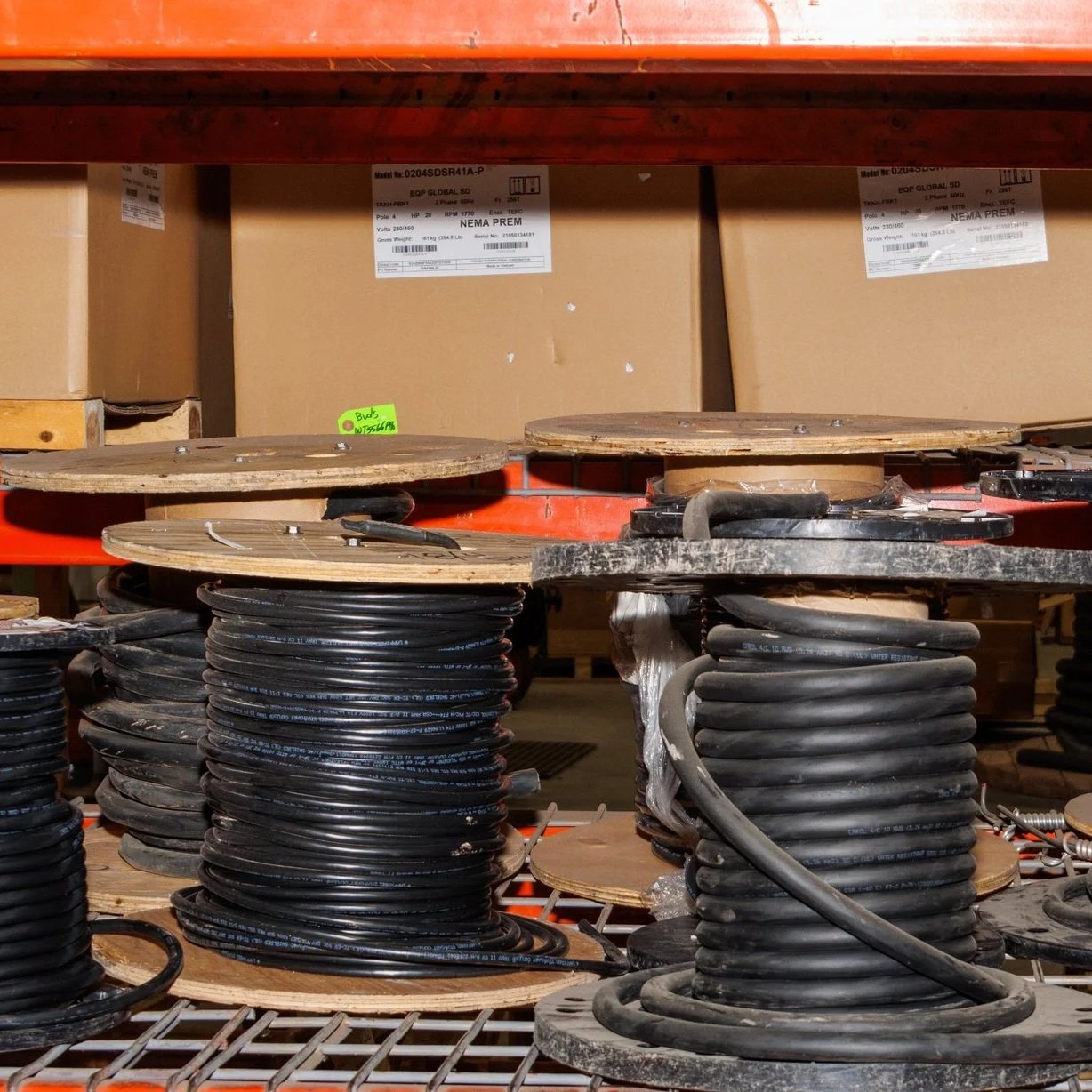
For a home to be truly "built to last," it requires wiring that's not only up to code but designed with long-term reliability in mind.
Building a new home is an exciting milestone. From choosing the perfect floor plan to picking out the best fixtures, every detail plays a part in bringing that dream home to life. However, one critical aspect is often overlooked during the planning and construction phases—electrical wiring. The electrical system in a new home is far more than just a functional necessity; it's the backbone that powers everything from lights to electronics to heating and cooling systems. For a home to be truly "built to last," it requires wiring that's not only up to code but designed with long-term reliability in mind.
The Risks of Cutting Corners
When constructing a new home, it's tempting to think of the electrical system as simply a necessary installation, rather than something that will affect the home's functionality and safety for years to come. However, opting for cheap materials or cutting corners during installation can result in costly, inconvenient repairs later on. Faulty wiring, incorrect load calculations, and outdated electrical panels may not be immediately noticeable, but they can compromise your home's safety and performance.
An improperly installed electrical system can increase the risk of electrical fires, power surges, and power interruptions. Homeowners may not notice these issues right away, but they'll certainly feel the effects when the electricity fails to keep up with modern demands. Choosing high-quality materials and expert installation during construction is one of the best ways to protect your investment and avoid future headaches.
Designed to Handle Modern Demands
In today's world, the average home is packed with more gadgets, appliances, and electronic devices than ever before. From high-definition TVs and gaming consoles to multiple computers, smart thermostats, and home security systems, power demand is higher than ever. Unfortunately, many older homes weren't designed to handle this much electrical load. Even new homes, if built with outdated or insufficient wiring, can struggle to provide stable, reliable power to all of today's gadgets.
Wiring that can handle modern electrical needs starts with the right materials and proper installation. The wiring in a new home should be sized to support the electrical load of both present and future appliances. By working with a licensed electrician during construction, homeowners can confirm their electrical system is designed to meet modern energy demands. An experienced professional will make sure the system can handle the power requirements of everything from the microwave to the home theater system, all while maintaining a safe and efficient setup.
Long-Term Reliability Begins with the Right Components
The heart of any electrical system lies in its components—wires, outlets, circuit breakers, panels, and grounding. To verify long-term reliability, each component must be selected for quality, durability, and compatibility with the home's overall design. Cheap, off-brand components might save money upfront, but they rarely hold up over time. Using high-quality materials and properly rated components can make a huge difference in how well the system performs for years to come.
For example, the wiring must be rated to manage the electrical load of modern devices and the potential for power surges. Outdated circuit breakers and panels can also create problems, leading to unnecessary breakdowns or, worse, electrical fires. By using components rated for long-term reliability, homeowners reduce the risk of sudden system failures and minimize the cost of repairs down the road.
Additionally, grounding is a critical factor in the long-term reliability of electrical systems. Proper grounding protects the home's residents from electrical shocks and prevents damage to devices caused by power surges. For a safe, reliable system, grounding should be built into the home from the very beginning, rather than as an afterthought.
Adaptability for Future Upgrades
One of the most overlooked benefits of proper electrical wiring is its adaptability for future upgrades. As technology advances, so do the electrical demands of the modern household. New appliances, larger TVs, and even electric vehicles may become commonplace in homes over time. Having a strong electrical system from the start makes it easier to incorporate these upgrades down the road.
For example, you may add an electric vehicle charger to your garage or install a dedicated circuit for a home theater setup. An electrical system designed for future upgrades will have the capacity to accommodate these needs without requiring expensive rewiring or the addition of bulky, outdated components. By working with a licensed electrician during construction, homeowners can plan for potential upgrades and make their homes "future-proof" for electrical demands.
Safe and Efficient Electrical Flow
Long-term reliability isn't just about handling electrical demand—it's also about ensuring a safe, efficient flow of electricity throughout the entire home. Proper wiring techniques can help optimize energy efficiency, reducing power waste and lowering utility costs. An experienced electrician will use best practices to make sure that the system is properly balanced, minimizing the risk of circuit overload and promoting a steady, efficient flow of electricity.
In addition, a reliable electrical system reduces the risk of electrical fires, power outages, and appliance damage. Poor wiring, especially in areas with high-power loads, increases the risk of overheating, sparking, or short circuits. The result can be costly repairs, property damage, or even life-threatening situations. Choosing an electrician who understands how to design and install systems that support long-term safety and efficiency is essential for homeowners who want peace of mind.
Preventive Maintenance for Longevity
Once the electrical system is up and running, homeowners should prioritize regular maintenance to keep it functioning at its best. An annual inspection by a licensed electrician can help identify potential concerns early before they escalate into larger, more expensive problems. Checking for signs of wear, frayed wiring, or circuit overloads can prevent issues that might otherwise disrupt the home's electrical flow.
Maintaining the electrical system also helps ensure it remains up to modern safety codes and technology standards. Electrical codes evolve, and an electrician can make necessary updates to bring the system up to date. Routine maintenance helps to keep the system running smoothly, extending its lifespan and preventing costly repairs in the future.
In Conclusion
When building a new home, it's easy to focus on the aesthetic elements—cabinet colors, flooring options, and landscaping—but the foundation of any good home starts with its systems, particularly the electrical wiring. Wiring designed for long-term reliability is an investment in both safety and functionality. By working with a qualified electrician during construction, homeowners can rest assured that their electrical system will meet today's demands and adapt to tomorrow's innovations.
A reliable electrical system not only supports the modern lifestyle but also enhances the value and safety of your home. From the materials used to the careful installation, every decision made during the construction process affects the home's performance and longevity. Don't let electrical issues become a problem down the road. Invest in a wiring system designed to last, and enjoy the peace of mind that comes with knowing your home is powered by a safe, reliable electrical system built to stand the test of time.
The qualified electricians at ACT Electric perform quality lighting, wiring, home generators, landscape and security lighting, and new home wiring jobs. We are a 24-hour emergency electrician to cater to all your needs any time of the day or night. Call today!