What Emergency Electricians Look for During Urgent Calls
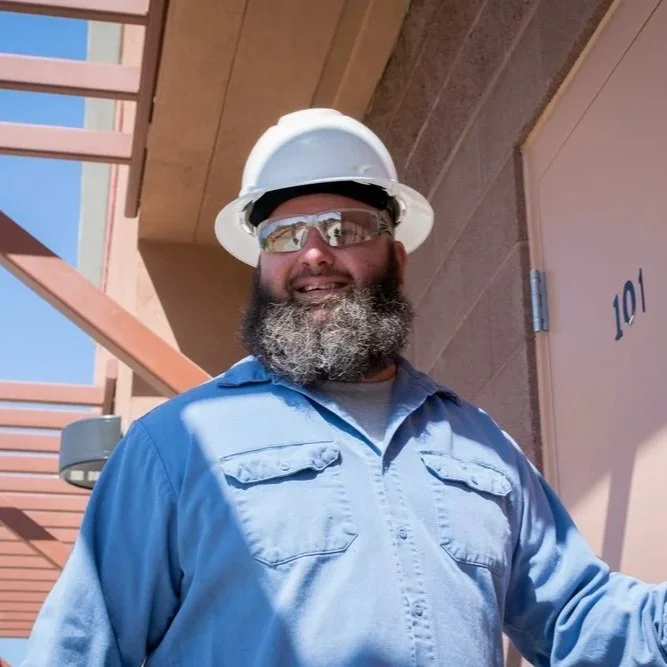
During an urgent call, emergency electricians assess the situation from multiple angles, securing both safety and efficient power restoration.
Emergency electricians are the first responders when electrical systems malfunction or when something goes wrong. When power issues arise, having a professional on hand can make all the difference. Their job goes far beyond simply fixing the issue at hand. During an urgent call, emergency electricians assess the situation from multiple angles, securing both safety and efficient power restoration. Here's what they look for during urgent calls.
Assessing the Immediate Safety Risks
The priority for any emergency electrician is to assess the immediate safety risks posed by the electrical issue. An electrical fault can quickly escalate into a dangerous situation, with risks such as electrical fires, electrocution, or property damage. Before diving into repairs, an electrician will conduct a complete assessment of the affected area to identify any hazards.
For example, if a circuit breaker has tripped or there is visible smoke, electricians need to act quickly to shut off the power to prevent further damage. They may also need to check if water has come into contact with the electrical system, as moisture raises the risk of electrical shock. Once the area is deemed safe, the electrician can proceed with troubleshooting and repairs.
Identifying the Source of the Issue
When electrical problems arise, the root cause isn't always immediately apparent. Whether it's a sudden power surge, a faulty outlet, or malfunctioning wiring, emergency electricians must quickly identify the source of the issue. This step is critical because understanding the cause allows them to fix the problem correctly and prevent future failures.
Electricians typically start with a visual inspection of the wiring and electrical components. They'll check for any visible damage to outlets, switches, or exposed wires. If there's no visible issue, they may need to use specialized tools such as circuit testers or infrared cameras to detect wiring faults, overloads, or even hidden issues within the electrical panel.
In more complex cases where the problem isn't immediately clear, the electrician may perform a series of tests to determine whether a fault lies in the main service panel, the grounding system, or individual circuits. These tests provide crucial information on how the electrical system is operating and what needs to be repaired.
Evaluating the Condition of the Electrical Panel
The electrical panel is the core of any building's electrical system. It distributes power to all circuits and protects the system from overloads. When issues arise, electricians will evaluate the electrical panel to determine whether the breakers are functioning correctly and whether the system can handle the load.
Electricians will look for signs of wear, overheating, or electrical burns or charred connections in the panel. If the panel is old, outdated, or damaged, it may need to be replaced or repaired before the electrician can proceed with further repairs. Even if the panel is operating fine at the moment, it's important to check it to avoid future issues. In many cases, an electrician might recommend a panel upgrade if it cannot support modern electrical demands.
Checking for Overloaded Circuits
Overloaded circuits are another common cause of electrical problems, especially in homes or businesses that have seen many electrical upgrades or changes over the years. Overloading happens when too many devices or appliances are plugged into one circuit, causing it to overheat or trip the breaker.
Emergency electricians will assess whether any circuits are overloaded, looking for symptoms such as frequent breaker trips, flickering lights, or appliances not receiving enough power. If overloaded circuits are discovered, the electrician may need to redistribute the electrical load, install new circuits, or increase the capacity of the existing panel. Properly managing the load is essential to prevent damage to both the electrical system and the devices connected to it.
Examining Grounding and Wiring
Proper grounding is a pivotal component of any electrical system. Without a solid foundation, electrical systems become far more prone to short circuits, electrical shocks, and appliance damage. Emergency electricians will check to see whether the grounding system is intact and functional.
Wiring is another key aspect they'll examine. Over time, wiring can become frayed, brittle, or damaged, especially in older homes or buildings. Faulty wiring can lead to power outages, shocks, or even fires. Electricians will visually inspect wires for damage and use diagnostic tools to test for faulty connections. If faulty wiring is found, electricians will need to repair or replace it, confirming that the system is safe and up to code.
Inspecting for Potential Fire Hazards
Electrical issues can quickly become fire hazards, especially when there are damaged wires, faulty outlets, or overloaded circuits. Fire is one of the most serious risks when working with electricity. Emergency electricians will thoroughly inspect the premises for any signs of overheating or burns, which could indicate potential fire hazards.
They will check the wiring, outlets, light fixtures, and the electrical panel to ensure no components are at risk of igniting. If fire risks are present, electricians will take immediate steps to remove the danger, whether by replacing faulty parts, installing additional circuit protection, or rerouting wiring to safer locations.
Identifying Surge Protection Needs
Power surges are common, especially during thunderstorms or when the electrical grid experiences sudden fluctuations. While some appliances may be equipped with surge protection, not every home or business has a system in place to protect against these fluctuations. Surge protection is important for safeguarding sensitive equipment, such as computers, televisions, and appliances.
Electricians will assess whether the property is equipped with proper surge protection at the individual appliance level and throughout the electrical system. If surge protection is not installed, electricians may recommend installing it to prevent damage to electrical devices during power surges.
Looking for Code Violations
Every jurisdiction has specific electrical codes and standards that must be followed. These codes are in place to verify safety, efficiency, and reliability within the electrical system. Emergency electricians are trained to identify code violations during urgent calls and will make sure the electrical system complies with local regulations.
Code violations can include improper wiring, missing ground connections, or outdated systems that are no longer compliant with modern safety standards. If violations are found, the electrician will provide guidance on what needs to be done to bring the system into compliance with code. Making these updates not only helps keep the electrical system safe but can also prevent legal issues and insurance complications down the line.
Working Toward a Long-Term Solution
While emergency electricians focus on resolving the immediate issue, they also keep an eye on providing long-term solutions to prevent recurring problems. They understand that a quick fix isn't always the best option. Often, they'll advise customers on upgrades, improvements, or repairs to prevent future emergencies. Whether it's adding extra circuits to handle growing electrical demand or replacing outdated components, emergency electricians aim to prevent further emergencies.
Emergency electricians are trained to quickly assess and address electrical issues while prioritizing safety and efficiency. By focusing on everything from the electrical panel to grounding systems, they work not only to restore power but also to improve the overall reliability of the electrical system. Every decision they make during an urgent call plays a critical role in protecting the property and keeping the electrical system running smoothly for the long haul.
The qualified electricians at ACT Electric perform quality lighting, wiring, home generators, landscape and security lighting, and new home wiring jobs. We are a 24-hour emergency electrician to cater to all your needs any time of the day or night. Call today!