Home Generators That Keep the Essentials Running
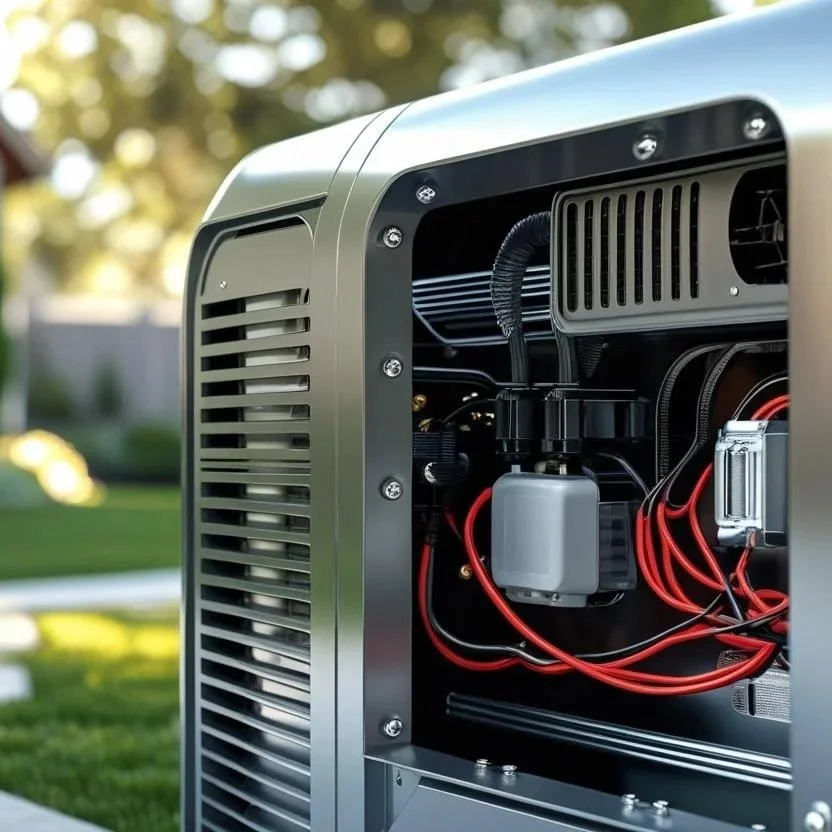
Home generators are designed to keep the essentials running when the power grid fails. They can provide peace of mind and protect your home from the inconveniences and potential damages caused by power loss.
Power outages are an inconvenient reality that most homeowners face at one point or another. Whether caused by a summer storm, a winter snowstorm, or an unexpected grid failure, losing power can leave you in the dark—literally. In those moments, you realize just how dependent you are on electricity to run everything from lights and HVAC systems to refrigerators and entertainment devices.
When the lights go out, having a home generator in place makes all the difference. Home generators are designed to keep the essentials running when the power grid fails. They can provide peace of mind and protect your home from the inconveniences and potential damages caused by power loss. Let's take a closer look at how these systems operate, the advantages of having one, and why every homeowner should consider investing in a backup generator.
What Makes a Home Generator Essential?
Power outages might seem like a minor inconvenience, but they can be more disruptive than most people realize. When the power goes out, not only do you lose lights and appliances, but you also lose access to critical systems, such as heating or cooling, which can be especially problematic in extreme weather. A backup generator keeps these essential services operational, preventing discomfort, food spoilage, and even expensive damage to electronics or plumbing systems.
Consider the hassle of losing power during a cold snap. Your furnace may go out, leaving you without heat. Or, when temperatures soar during a summer heatwave, your air conditioning will stop, making it hard to stay comfortable. If you rely on medical equipment, like an oxygen concentrator or a CPAP machine, an unexpected power outage can have serious consequences. These are just a few of the many reasons why having a reliable home generator is crucial.
Types of Home Generators
Home generators come in various styles, each designed to meet different needs. They can be divided into two main categories: portable generators and standby generators.
Portable generators are typically smaller, cost-effective, and easy to move around. They can be used to power specific appliances during an outage, such as refrigerators, sump pumps, or a few lights. These generators typically require manual setup and connection to the devices they power, which can be inconvenient when the power goes out.
Standby generators, on the other hand, are permanent fixtures connected to your home's electrical system. They automatically detect power outages and kick in within seconds, providing seamless backup power to the entire house. This type of generator is more expensive than portable options but offers much greater convenience and reliability. It's ideal for homeowners looking for a hassle-free solution that keeps everything running smoothly during an outage.
How Do Home Generators Work?
Generators convert mechanical energy into electrical energy, which is then used to power your home. For portable generators, fuel (gasoline or propane) is burned to create mechanical energy, which is then turned into electricity. These generators typically require manual intervention to start and connect to appliances.
Standby generators work a bit differently. These systems are connected to both your home's electrical panel and a fuel source, such as natural gas or propane. When an outage occurs, the generator automatically detects the loss of power and activates itself. Within seconds, it begins supplying power to the home, verifying that essential systems remain operational without any action required on your part.
Some standby generators are designed with "smart" technology, allowing homeowners to monitor their generators remotely via smartphone apps. This technology can alert you when maintenance is needed, provide fuel level readings, and even track runtime hours, making it easier to manage your system's health.
Powering the Essentials
Not all generators are designed to power an entire home. For example, portable generators are typically used for essential appliances and devices like lights, refrigerators, and sump pumps. However, with the right standby generator, you can provide power to much more than just the basics. These generators can be sized to accommodate the power needs of your entire home, including major appliances, HVAC systems, and entertainment devices.
Having a generator that powers only the essentials (such as your refrigerator, furnace, lights, and water pump) may be enough for many homeowners, especially if you live in a mild climate. However, if you want to ensure a smoother transition during a longer outage, a larger generator can power additional appliances, keeping your household running as smoothly as possible.
Choosing the Right Generator for Your Home
Selecting the right generator depends on a variety of factors, such as your home's size, your power needs, and your budget. Before purchasing a generator, it's important to assess which appliances and systems you want to keep working during an outage. This may include:
Refrigerator and freezer
HVAC system (heating and cooling)
Lights and electrical outlets
Medical equipment (oxygen machines, CPAP machines, etc.)
Well pumps or sump pumps
Home security systems
Once you've determined which systems are critical, a licensed electrician can help you select a generator that meets your needs. Keep in mind that standby generators can be sized to handle your entire home's electricity load, or just specific circuits. Proper sizing is critical to make sure that the generator doesn't underperform or overload during a power outage.
Installation and Maintenance
When it comes to installation, it's always best to rely on a professional to handle the process. Electricians who specialize in generator installation will verify that the system is properly integrated into your home's electrical system and that it adheres to local codes and safety standards. For standby generators, the installation process often involves running a gas or propane line, connecting the unit to your electrical panel, and installing an automatic transfer switch.
Once your generator is installed, it's crucial to maintain it properly to keep it running when needed most. Routine maintenance is fundamental to prolonging the life of your generator and making sure it's in top condition for any potential power outage. Routine maintenance includes tasks like changing the oil, checking air filters, inspecting the fuel system, and testing the system to check that it's operating correctly.
The Costs of Home Generators
The upfront cost of purchasing a generator varies depending on the type and size of the unit. Portable generators typically cost between $400 and $2,500, while standby generators range from $2,000 to $10,000 or more, depending on the power output and installation requirements. Additionally, there may be ongoing maintenance costs to guarantee the generator stays in working order.
Despite the initial investment, home generators can save you money in the long run by preventing damage to appliances and electronics during power outages, as well as reducing the potential costs associated with losing refrigerated food or other essential services. Plus, having the comfort that you won't be left in the dark during an emergency is priceless.
Why You Should Consider a Home Generator
A power outage doesn't have to mean losing everything you depend on. With the right home generator, you can keep your family comfortable and your essential systems running. Whether you need a small portable generator for occasional use or a whole-house standby generator for maximum convenience and reliability, there's a solution that fits your needs.
Investing in a generator is pivotal to your home's safety, comfort, and security. It's about protecting your home from the unpredictability of the grid and giving yourself the peace of mind that comes with knowing the essentials will keep running when you need them most.
If you're considering a generator for your home, consult with an experienced electrician to determine the best option for your home and your needs. A professional can guide you through the selection, installation, and maintenance process, verifying you make the right choice and reducing the stress of the next storm.
The qualified electricians at ACT Electric perform quality lighting, wiring, home generators, landscape and security lighting, and new home wiring jobs. We are a 24-hour emergency electrician to cater to all your needs any time of the day or night. Call today!