Security Starts at the Switch
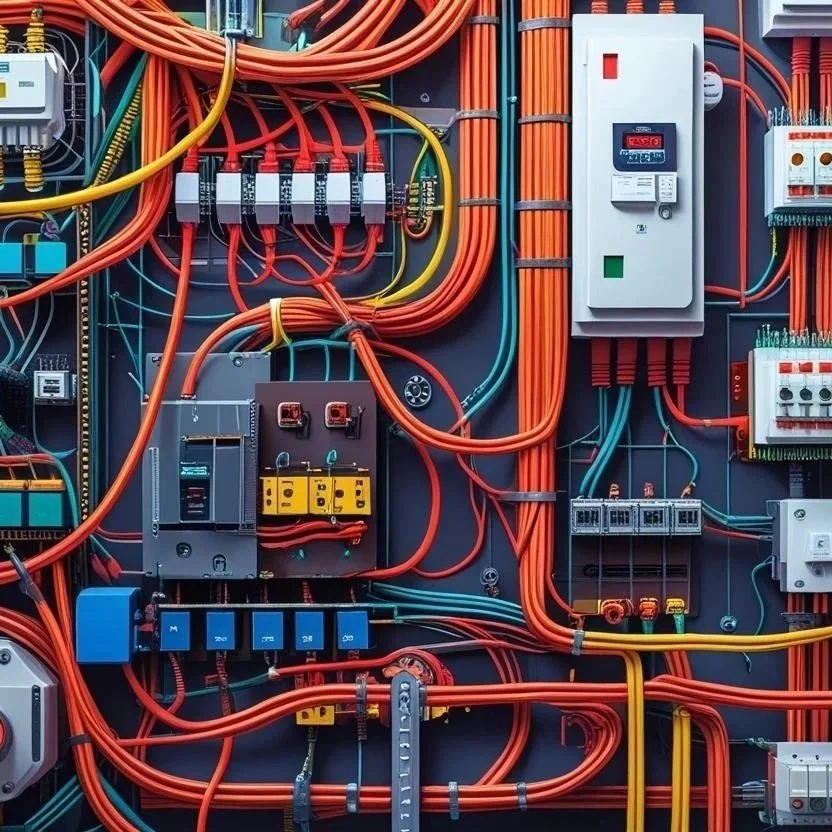
The reliability of your electrical system directly impacts the safety and security of your home, making it essential to focus on keeping the basics intact—starting right at the switch.
When thinking about home security, most people often focus on cameras, alarms, and smart locks. While these are essential components, the heart of your home's security starts much earlier—at the electrical switch. A safe, well-functioning electrical system is not only crucial for keeping your home powered but also plays a pivotal role in preventing hazards and protecting your property from electrical fires, surges, and other risks.
Electrical systems are the backbone of modern living. They power everything from your lights to your security devices. If an electrical system isn't properly installed, maintained, or upgraded, it can be a serious security risk. The reliability of your electrical system directly impacts the safety and security of your home, making it essential to focus on keeping the basics intact—starting right at the switch.
Proper Installation for a Safe Start
The foundation of your home's electrical safety begins with proper installation. Whether it's an outlet, light switch, or circuit panel, every component should be installed according to current electrical codes and standards. Electrical work that isn't up to code can lead to unsafe conditions like faulty wiring, electrical shorts, or, in the worst case, fires.
When you hire an experienced electrician, they assess the needs of your home and make sure every switch and outlet is installed correctly. Every electrical installation should be secure and durable to avoid wear that could cause problems down the road. Properly installed electrical systems also help maintain stable voltage levels throughout the house, preventing power surges that could harm your devices or appliances.
Circuit Breakers: The First Line of Defense
Circuit breakers play a vital role in your home's electrical safety. They're designed to cut power when there's an overload or fault, preventing the potential for electrical fires. Without functional circuit breakers, an electrical malfunction could lead to significant damage, including fires or equipment failure. The circuit breaker panel is your home's first line of defense against electrical disasters.
Regular inspections by an electrician can help ensure your circuit breakers are working correctly and that they're appropriately rated for the power demands of your home. If your home is older, your circuit breaker panel might not be able to handle the power load from modern electronics, smart devices, and high-power appliances. Retrofitting the panel and replacing outdated breakers can add an additional layer of security.
Upgraded Wiring for Safer Circuits
Wiring is one of the most critical parts of an electrical system. Over time, older wiring can degrade, creating safety hazards. If your home still relies on old wiring, particularly knob-and-tube or aluminum wiring, it may not meet today's safety standards. Outdated wiring can boost the risk of electrical fires and cause shorts that damage your appliances or even result in power outages.
Upgrading wiring throughout your home may seem like a significant undertaking, but it's a necessary step to verify your electrical system is safe and reliable. A licensed electrician can carefully inspect your wiring and recommend upgrades where necessary. Newer wiring options, such as copper or modern insulated wiring, offer superior conductivity and safety over outdated materials.
Surge Protection for Electrical Safety
Surges in electrical power are more common than you might think. They can be caused by lightning, issues with the local power grid, or even large appliances that demand a sudden spike of electricity. These surges can seriously damage sensitive electronics like computers, TVs, and home security systems. Without proper surge protection, your valuable equipment is left vulnerable to damage, which is a security risk in itself.
Whole-house surge protection can help protect your home from these electrical spikes. Installing a surge protection device directly in your electrical panel prevents damage from surges and prolongs the life of your electronics. For maximum protection, you can complement whole-house surge protection with plug-in surge protectors for individual appliances and devices.
Smart Home Integration: Security at Your Fingertips
Smart home technology has revolutionized home security. Devices like smart thermostats, lighting, cameras, and door locks make it easier than ever to control and monitor your home. However, these systems rely heavily on your home's electrical setup. A well-designed electrical system provides the power and connectivity needed for smart devices to work efficiently and securely.
Incorporating smart home features into your electrical system can add significant security benefits. Smart lighting, for example, can simulate occupancy while you're away, making your home less of a target for intruders. Likewise, smart security cameras, doorbell cameras, and motion detectors can provide real-time monitoring of your property. The foundation for all these smart systems is a secure and reliable electrical system that supports their continuous operation.
Home Generators: Keep Power Flowing
Power outages can happen at any time, especially in storm-prone areas. A loss of power means more than just inconvenience—it can disrupt your security system, heating or cooling systems, and communication devices. A home generator can restore power to your property during an outage, and verify that your security systems and essential appliances keep running.
Installing a backup generator requires professional expertise, as it needs to be wired into your home's electrical system in a way that maintains safety and efficiency. An electrician will check that your generator is sized correctly for your needs and will integrate it seamlessly with your home's power grid. This way, when the lights go out, your home's security and basic functionality remain intact.
Regular Electrical Inspections for Ongoing Protection
Just like any other system in your home, your electrical system requires ongoing care and maintenance to function at its best. Regular electrical inspections are crucial for identifying potential issues before they become major safety hazards. A professional electrician can perform thorough inspections of your wiring, outlets, breakers, and other components, ensuring everything remains in good working order.
Electrical inspections are particularly important if you've recently renovated or upgraded your home. Any changes to your home's electrical load or configuration can put stress on the system. By having an electrician inspect your system after renovations, you can rest assured that your electrical setup is still functioning safely and securely.
Conclusion
Your home's electrical system is the silent protector that keeps everything running smoothly. It powers your lights, appliances, security systems, and communication devices. However, for this system to provide security and peace of mind, it should be reliable, safe, and up to modern standards.
When you start with the switch—securing proper installation, upgraded wiring, reliable circuit breakers, surge protection, and a solid connection to smart home technology—you're setting up your home for long-term security. Keeping your electrical system secure doesn't just protect against power outages or electrical fires; it safeguards your family, your property, and your comfort.
For comprehensive electrical services that cover all aspects of home security, trust a skilled, licensed electrician to keep your systems running effectively and safely. After all, when it comes to protecting your home, security starts at the switch.
ACT Electric is a full-service residential and commercial electrical contractor company specializing in electrical installation, repairs, and upgrades, electrical troubleshooting, electrical remodeling, electrical home inspection, and electrical retrofitting. We always prioritize customer comfort and safety. Give us a call today!